
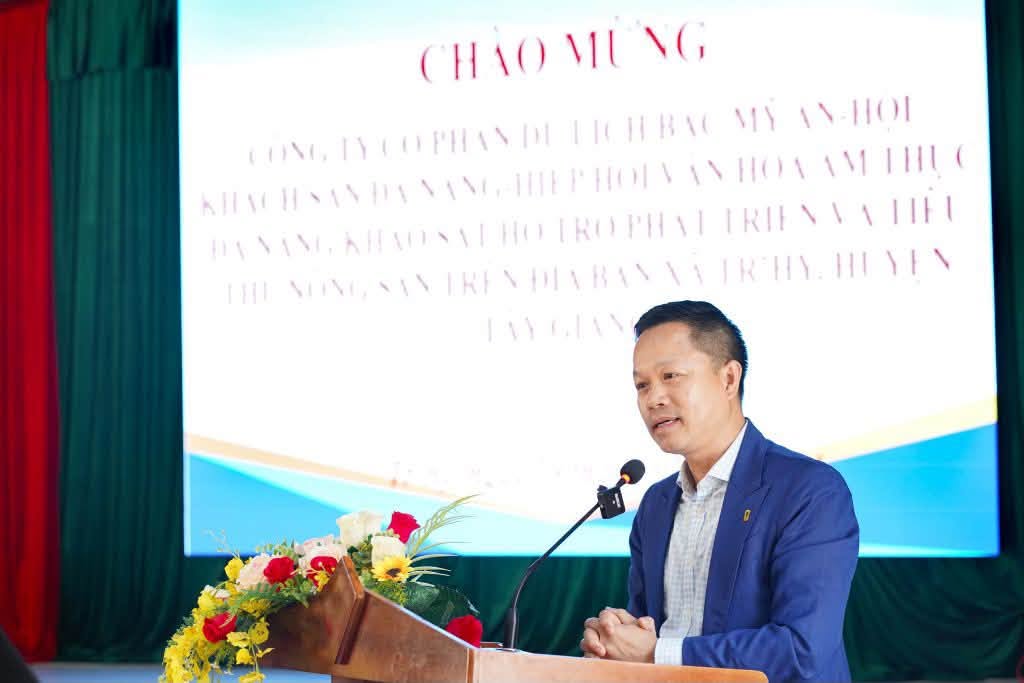
For many years, when speaking about Danang, we have often focused on tourism, hotels, resorts, beaches, events, conferences, fireworks, cuisine and service quality. This is entirely understandable, as services and tourism are the most important pillars of the city’s economic structure.
However, following the expansion of Danang’s development space, particularly with the addition of the midland, mountainous, agricultural and forestry areas, craft villages and raw-material regions of the former Quang Nam, I believe it is time to reconsider a fundamental question: How can Danang’s tourism sector generate revenue not only for hotels, restaurants, transportation and commerce, but also stimulate the development of agriculture, livestock farming, fisheries, food processing, cold-chain logistics and the rural economy?
In other words, Danang should not merely be a city that consumes services. It can and should become Central Vietnam’s hub for the consumption, processing, standardization and distribution of high-quality agricultural and seafood products, serving hotels, restaurants, resorts, MICE events, supermarkets, schools, hospitals, industrial kitchens, retailers and export markets.
Tourism is creating a vast food market
According to Danang’s socioeconomic report for the first six months of 2026, the service sector continued to serve as a pillar of the city’s economy. Revenue from accommodation and food services reached VND 32.4 trillion, an increase of 21.6% compared with the same period last year. Food and beverage revenue alone reached VND 22.517 trillion, rising by 22.5%. Accommodation establishments served nearly 9.8 million visitors, including almost 5.2 million international visitors, representing an increase of 28.7%.
These figures reveal a very clear reality: Danang has an enormous food consumption market. Thousands of hotels, resorts, restaurants, eateries, convention centres, entertainment venues, supermarkets, markets, banquet kitchens, school kitchens, hospital kitchens and industrial kitchens require a reliable food supply every day.
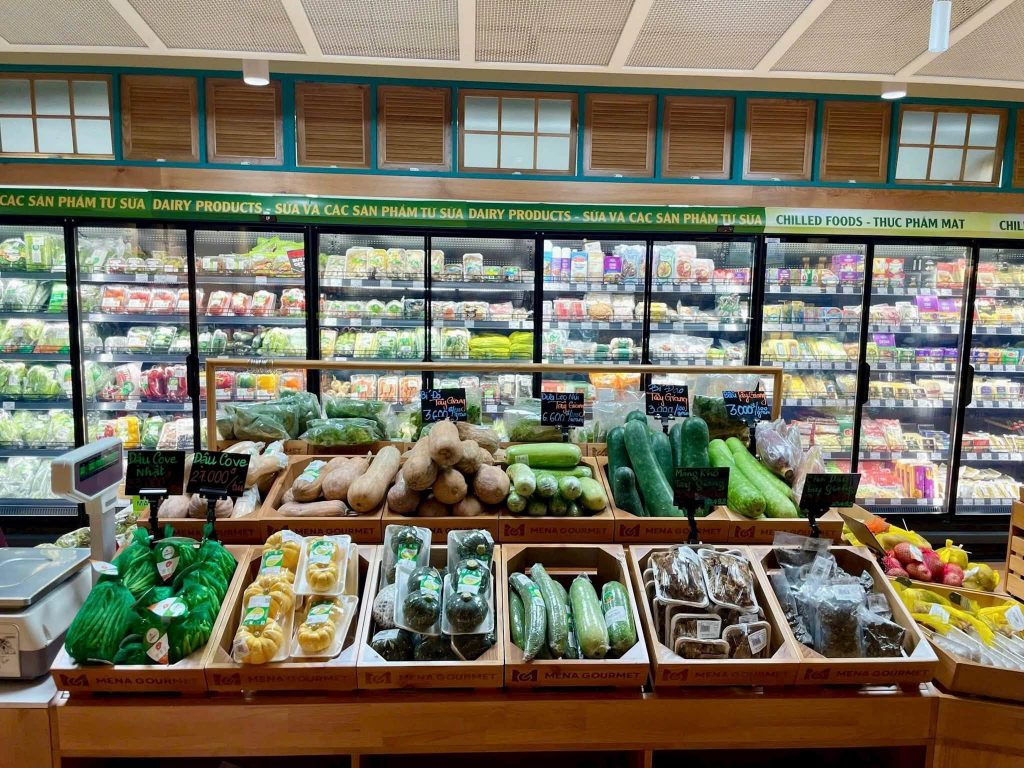
Danang has an enormous food consumption market
Meanwhile, Danang’s agriculture, forestry and fisheries sector grew by 3.27% during the first six months of 2026, but its contribution to GRDP remained limited. Fishery production reached 95,541 tonnes, increasing by only 0.6%. Wild-catch fisheries remained dominant at 78,903 tonnes, up 0.5%, while aquaculture production reached 16,638 tonnes, an increase of 1.0%. Livestock farming showed more positive signs, with total live-weight meat production reaching 42.6 thousand tonnes, up 7.0%.
On one side, there is significant consumer demand generated by tourism and the urban population. On the other, local agricultural and seafood suppliers still have considerable room for improvement. The issue is not that Danang lacks demand. The issue is that we have not yet developed a sufficiently effective supply chain connecting production areas with tourism kitchens, hotels and restaurants.
Furama, the Hotel Association and restaurant chains are eager to use Danang products
From the perspective of Furama Resort Danang, the Danang Hotel Association and numerous restaurant chains, we are highly committed to using more agricultural produce, livestock products, seafood and local specialties from Danang and the former Quang Nam region.
This is not simply about supporting local communities; it also reflects the direction of modern tourism. International travellers today expect more than attractive rooms and delicious meals. They want to know where their food comes from, whether the ingredients are clean and safe, whether they carry a local story, whether they are sustainable and whether they are connected to the community.
A piece of fish, a free-range chicken, a bundle of forest vegetables, a jar of honey, a type of tea, a bottle of essential oil or a dish originating from the mountainous areas of Tây Giang, Đại Lộc, Đông Giang, Nam Giang or Trà My—the former districts—could all become part of the Danang tourism experience when produced to the appropriate standards.
However, many obstacles remain in practice.
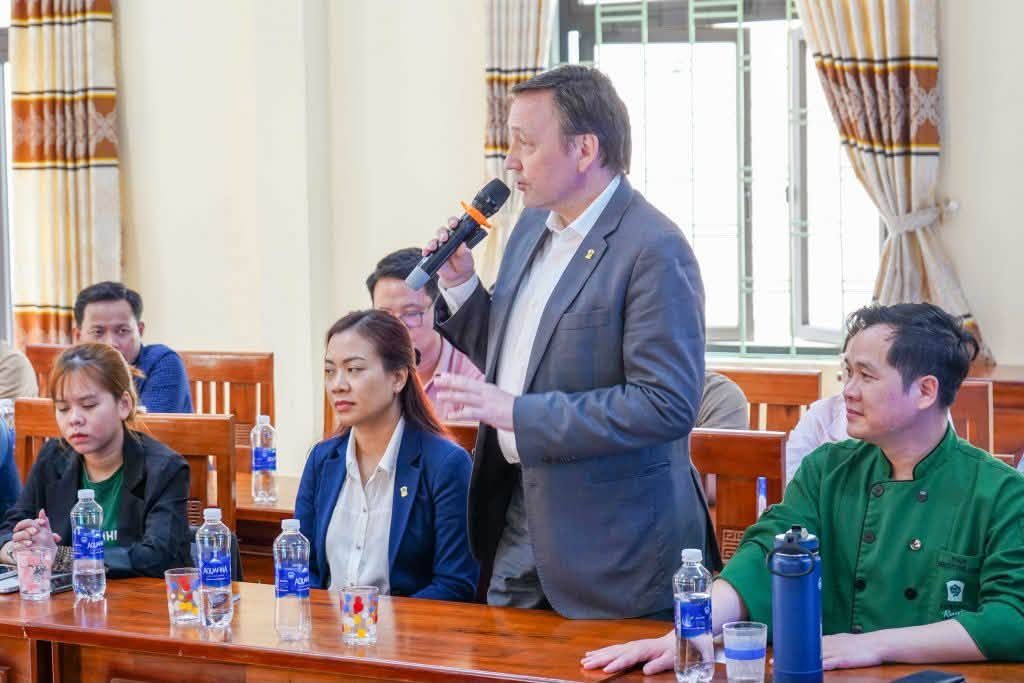
Mr. Andre Genztsch, Chief Operating Officer of the Furama & Ariyana Danang International Tourism Complex, shares the organization’s commitment to supporting local products
The greatest challenge is not that hotels and restaurants are unwilling to purchase local products. On the contrary, many businesses want to buy them. The difficulties lie in delivery, consolidation, transportation, standardization and order volume.
Areas such as Tây Giang, Đại Lộc and many other midland and mountainous regions produce high-quality goods, but they are located far away and transportation routes are not always convenient. Farming households, cooperatives and production facilities frequently sell in small and inconsistent batches. Hotels, however, require stable supplies delivered on time and according to precise specifications, supported by invoices, documentation, testing, traceability, standardized packaging and hygienic transportation. These requirements are particularly important for fresh products, meat, fish, vegetables, eggs, milk and pre-processed food.
At one end are small-scale producers. At the other are hotels, resorts and restaurants with demanding standards. Between them, several crucial links remain missing: cooperatives capable of collecting products according to established standards, supermarkets serving as consolidation points, preliminary processing centres, cold-storage facilities, refrigerated vehicles and professional food logistics providers.
These links will determine whether local products can enter four- and five-star hotels, premium restaurants, retail chains and convention catering kitchens.
Agriculture should not be developed solely around raw production volumes
Mr. Nguyễn Đức Quỳnh, General Director of Furama Resort Danang, believes that Danang should place greater emphasis on agriculture, livestock farming, fisheries and forestry products. However, development should not follow the approach of “producing as much as possible and then looking for ways to sell it.” The right direction is to produce according to market demand, particularly demand from tourism, hotels, restaurants, modern retailers and export markets.
Regarding fisheries, Danang should not continue prioritizing greater marine catches at all costs. The report has already highlighted that fishing activities are being affected by declining natural resources, high fuel costs and requirements to combat illegal, unreported and unregulated fishing, or IUU fishing. The appropriate direction is to expand controlled aquaculture, deep processing and traceability while developing products tailored to hotel kitchens, including sustainably raised shrimp, farmed marine fish, high-quality freshwater fish, crab, oysters, seaweed, pre-processed seafood, fillets, individually quick-frozen products, seafood stock, premium fish cakes and ready-to-cook products.
Regarding livestock farming, high-density farms should not be developed near urban areas or tourism zones unless environmental impacts can be effectively controlled. Danang should focus on high-value products such as free-range chicken, indigenous pork, premium beef, clean eggs, chilled meat, pre-processed meat and highland specialties standardized in terms of hygiene, packaging, slaughtering and cold storage.
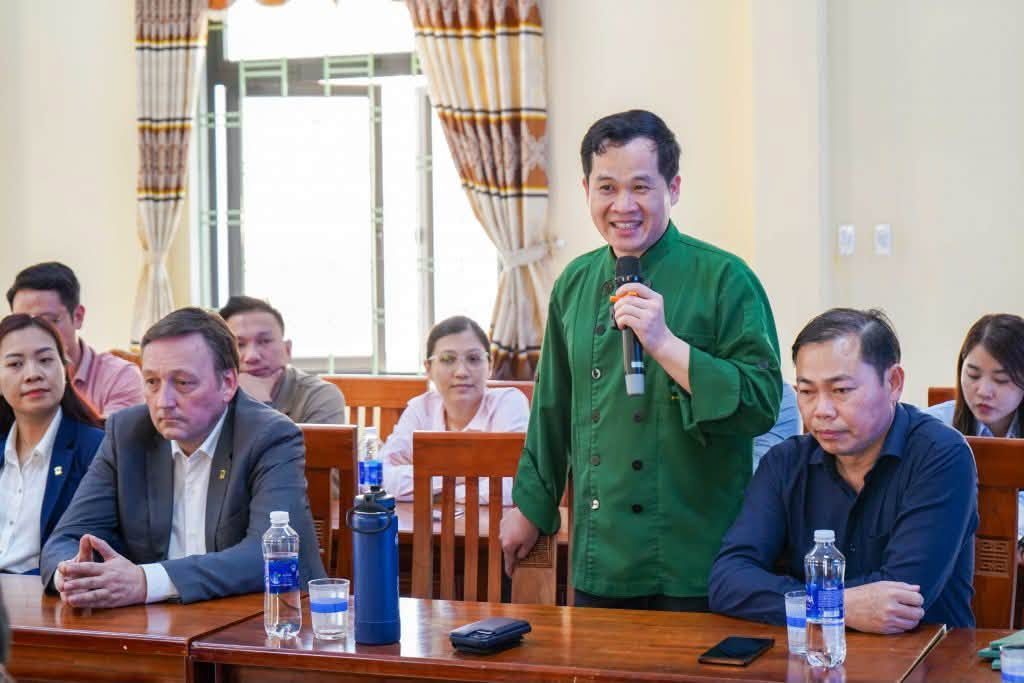
Executive Chef Doãn Văn Tuấn proposes directions for the development of Central Vietnam’s culinary sector
The mountainous areas and the former Quang Nam region offer even greater potential. These areas can develop medicinal herbs, tea, honey, mushrooms, forest vegetables, spices, essential oils, Trà My cinnamon, Ngọc Linh ginseng, wellness products, organic food, ecological agriculture, farm stays, forest dining, chef’s table experiences, village experiences and community-based tourism.
When properly developed, these products will not be limited to local consumers. They can be incorporated into hotel menus, breakfast buffets, conference banquets, MICE gifts, minibars, spas, wellness retreats, supermarkets, specialty stores, airports and e-commerce platforms.
A “Danang–Quang Nam Tourism Food Belt” is needed
Mr. Quỳnh proposes that Danang establish a city-level programme tentatively named the “Danang–Quang Nam Tourism Food Belt.”
This should not simply be a slogan. It should be a specific economic model connecting five layers:
The first layer consists of raw-material regions: Tây Giang, Đông Giang, Nam Giang, Đại Lộc, Trà My, coastal areas, aquaculture zones, clean vegetable-growing areas, safe livestock-production areas, medicinal-herb regions, forests and craft villages.
The second layer consists of consolidation, preliminary processing, testing and packaging centres. Products from farming households, cooperatives and farms would be gathered at these centres before being sorted, washed, prepared, packaged, labelled for traceability, tested and prepared for delivery to hotels, restaurants and supermarkets.
The third layer is cold-chain logistics, including cold-storage facilities, refrigerated vehicles, fixed delivery schedules, ordering software, temperature control and deliveries completed on time and according to the required specifications.
The fourth layer consists of central kitchens and deep-processing facilities that produce stocks and broths, prepare vegetables, cut meat, package seafood and manufacture ready-to-cook food, gift products and retail products.
The fifth layer is the consumer market: hotels, resorts, restaurants, convention centres, MICE events, weddings, schools, hospitals, supermarkets, specialty stores, airports, e-commerce platforms and export markets.
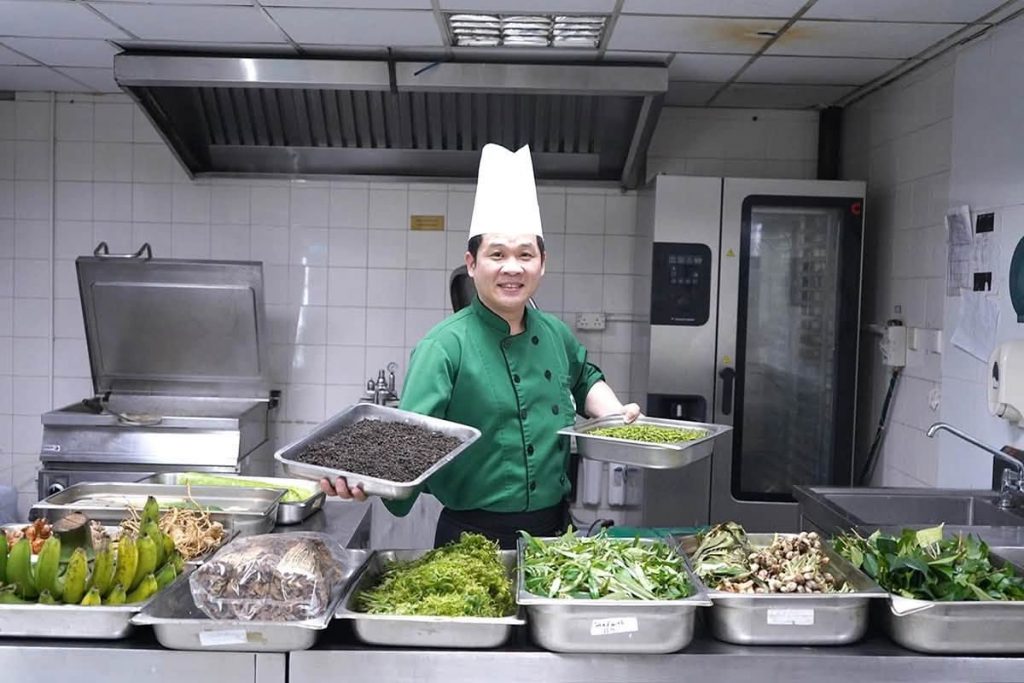 Ingredients at the Furama & Ariyana Danang International Tourism Complex are carefully stored to ensure the highest standards of quality
Without the second and third layers—the consolidation points and cold-chain logistics—it will be extremely difficult to transport products consistently from Tây Giang, Đại Lộc and other remote areas into the hotel and restaurant system.
A five-star hotel cannot contact individual farmers every day to purchase a few bundles of vegetables, several chickens or a few kilograms of fish. Likewise, farmers cannot drive to multiple hotels to deliver each small order. A professional intermediary system is therefore needed. However, its purpose should not be to force farmers to accept lower prices. Instead, it should raise standards, consolidate products, guarantee quality, reduce transportation costs and create a stable market.
The role of Furama, the Hotel Association and restaurant chains
Within this model, Furama Resort Danang, Furama Villas, Ariyana Convention Centre Danang, the Danang Hotel Association and restaurant chains can play highly important roles.
Furama can help identify the market’s actual demand: how many tonnes of vegetables, meat and seafood are required each month; which varieties are needed; what specifications and standards must be met; when deliveries should be made; and what price levels are reasonable.
Furama can also work with its chefs to establish a list of priority products, including free-range chicken, indigenous pork, forest vegetables, mushrooms, honey, sustainably produced fish and shrimp, clean eggs, local rice, Central Vietnamese spices, tea, essential oils and wellness products.
Furama can organize programmes such as “Taste of Danang Highlands,” “From Farm to Furama,” “Central Vietnam Farm to Table” and “Danang–Quang Nam on the Traveller’s Table,” incorporating local products into menus, buffets, gala dinners, MICE banquets, food festivals and gifts.
The Danang Hotel Association can connect multiple hotels and enable them to place group orders. When several hotels participate, order volumes will be large enough to make refrigerated transportation economically efficient. Cooperatives will be able to develop more stable production plans, transportation costs will decrease and farmers will gain more secure market access.
Restaurant chains and supermarkets can become regular buyers rather than purchasing only during particular seasons. This is extremely important because agriculture is sustainable only when there is consistent demand, not when products are purchased temporarily as part of a short-lived campaign.
Specific proposals
Mr. Quỳnh believes that the city should immediately pilot a small-scale model rather than attempting to build an excessively large system from the beginning.
First, three to five areas with strong product potential should be selected. For example, Tây Giang could supply forest vegetables, medicinal herbs, honey and Cơ Tu products; Đại Lộc could supply vegetables, chicken, pork and agricultural produce; Trà My could supply cinnamon, medicinal herbs and tea; coastal areas could provide seafood; and selected midland areas could develop safe livestock farming.
Next, 20 to 30 hotels, resorts, restaurants, supermarkets and central kitchens should be selected to participate in the pilot programme. Each organization would register its specific requirements. Based on this information, the city or a lead enterprise could establish a consolidation and preliminary processing point, cold-storage facilities and a delivery fleet.
The next step would be to develop minimum standards covering which products can enter hotels, packaging specifications, storage temperatures, delivery times, invoices, traceability, testing and VietGAP, HACCP, ISO or Halal certification where required.
Finally, a shared brand should be developed. Each producer cannot operate under a separate small-scale label. A strong regional brand is needed, such as “Danang–Quang Nam Farm to Table,” “Taste of Central Vietnam” or “Danang Food Supply for Tourism.”
Only when a recognizable brand, consistent standards, consolidation points, logistics systems and B2B customers are in place can local agricultural products truly become part of the tourism value chain.
This is how a stronger economic structure can be developed
Danang currently has major advantages in services, tourism, commerce and urban infrastructure. However, if its tourism sector only consumes goods imported from other areas, much of the added value will flow outside the city. Conversely, if tourism stimulates the development of local agriculture, fisheries, livestock farming, processing, logistics and retail, the city’s economic structure will become significantly more balanced.
The coastal and urban areas would generate demand. The mountainous, rural and coastal production areas would generate supply. Processing industries and logistics would create added value.
Hotels, restaurants and tourism would build the brand. Farmers, cooperatives, small businesses, chefs, restaurants, resorts and visitors would all benefit.
This is not only an economic story. It is also a story of culture and identity. A strong destination is defined by more than beautiful hotels, a well-connected airport and a long coastline. A strong destination must have its own distinctive flavours. Those flavours come from the land, forests, sea and villages, and from the hands of farmers, fishermen, chefs and local communities.
Following the merger, Danang now has a major opportunity to make this vision a reality.
We have a coastal city. We have an extensive hotel and restaurant system. We have a growing international visitor market. We have mountainous areas, forests, midlands, agricultural production, fisheries, craft villages and a rich local culture.
What remains missing is a sufficiently strong coordination mechanism.
If the city authorities, tourism businesses, cooperatives, restaurants, hotels, supermarkets and logistics providers work together, Danang can build a new model in which tourism supports agriculture, agriculture enriches tourism and cuisine becomes a new economic pillar for Central Vietnam.
______o0o______
𝐀𝐫𝐢𝐲𝐚𝐧𝐚 𝐂𝐨𝐧𝐯𝐞𝐧𝐭𝐢𝐨𝐧 𝐂𝐞𝐧𝐭𝐫𝐞 𝐃𝐚𝐧𝐚𝐧𝐠 – Vietnam’s Leading Events Destination
Zalo: https://bit.ly/Ariyana_Zalo_Official_Account
𝐀: 107 Vo Nguyen Giap, Ngu Hanh Son Ward, Danang.
𝐓: (+84)236 651 8888
𝐄: events@ariyanacentre.com
𝐖: www.ariyanacentre.com
#AriyanaConventionCentre #Ariyana #MICE #Ariyanadanang #Ariyana #enjoydanang #MICE #MICEExpo #virtualtour #360ACC #360tour #OnetouchtoAriyana #workinganniversary#bestplacetowork