
More than 700 delegates and guests attending the Gala Dinner of the Da Nang International Tourism Festival – DITF 2026 had the opportunity to savour Buoi Tru Binh Yen pomelo, a local specialty from Que Phuoc Commune along the Thu Bon River. From farmers’ orchards to an international banquet at Furama Resort Danang, this homegrown fruit is opening up an inspiring story about the connections between agriculture, cuisine, luxury tourism and community development.
FROM THU BON RIVER ORCHARDS TO AN INTERNATIONAL GALA DINNER
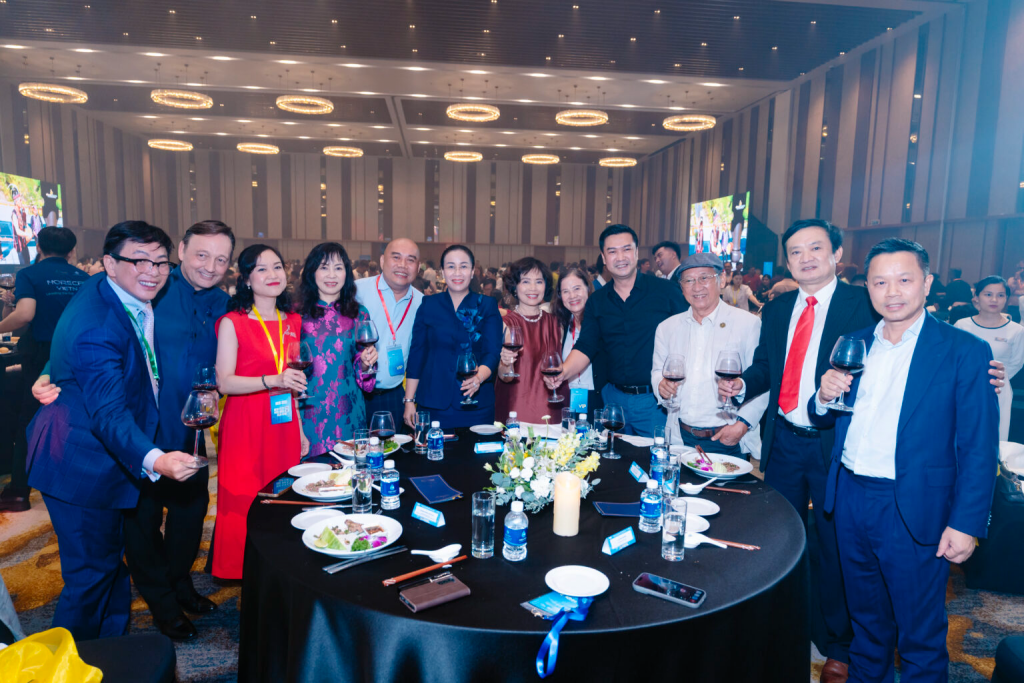
On October 18, 2026, at the Gala Dinner held as part of the Da Nang International Tourism Festival – DITF 2026, more than 700 delegates and guests were invited to savour a distinctive product from Que Phuoc: Buoi Tru Binh Yen pomelo.
The event welcomed Da Nang city leaders, more than 500 domestic and international buyers, representatives of travel businesses, hotel directors and tourism industry partners.
Amid an international tourism networking event, Binh Yen pomelo offered a simple yet meaningful introduction to the local produce, people and landscape along the Thu Bon River.
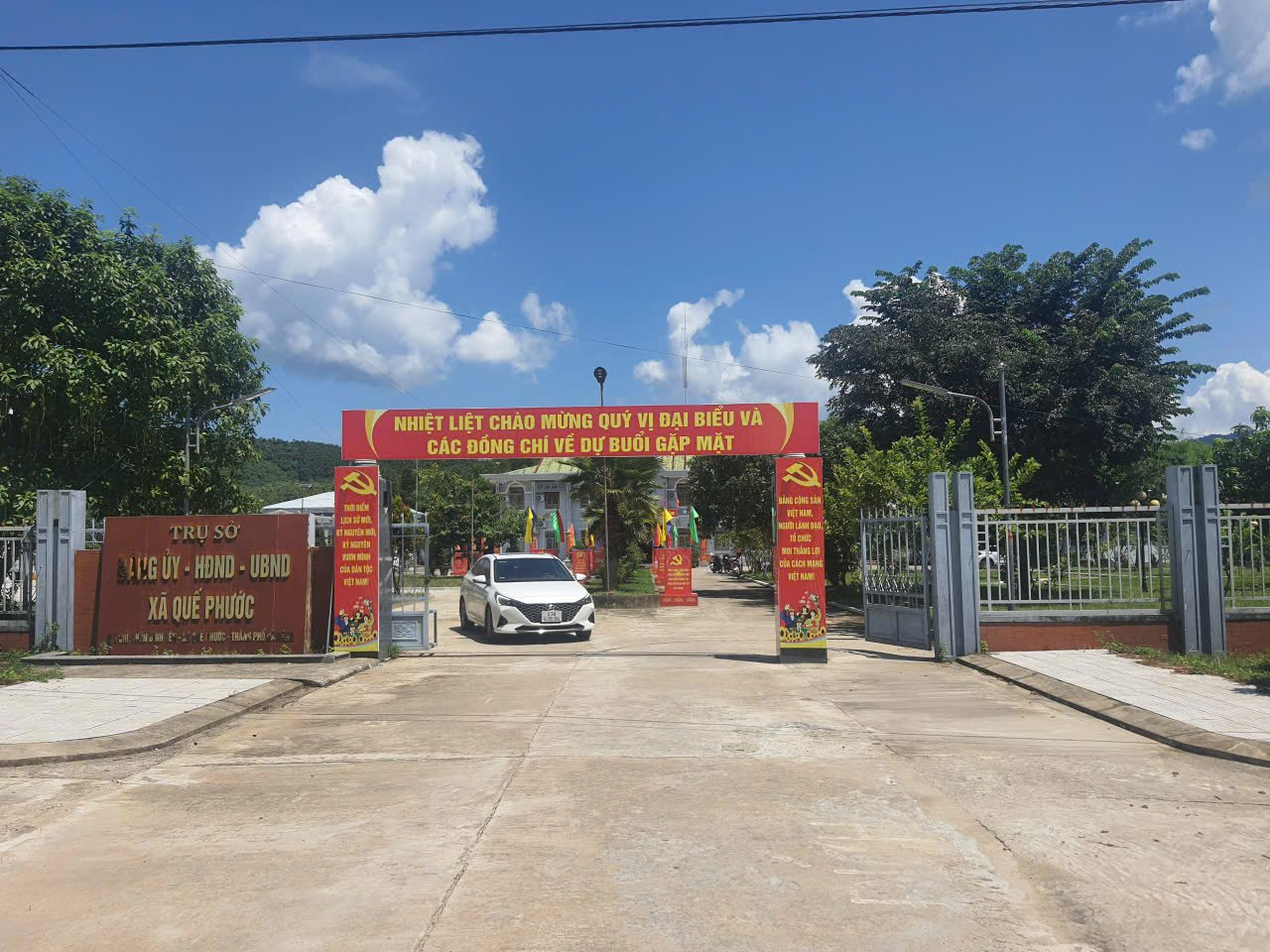
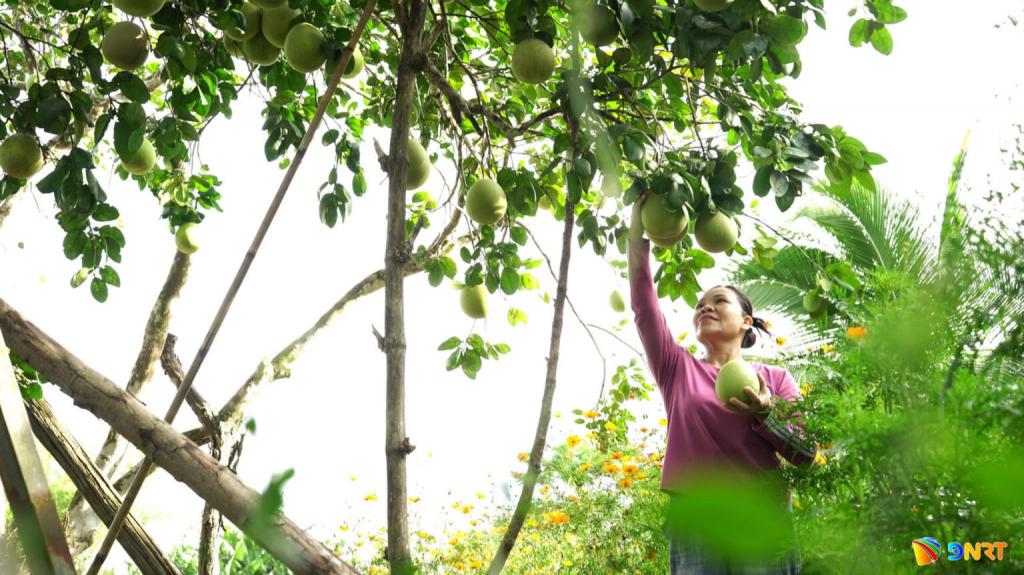
Earlier, with support from the Xu Quang Destination Club, two tonnes of Buoi Tru Binh Yen pomelo were harvested by farmers in Que Phuoc Commune and delivered to Furama Resort Danang to support activities at DITF 2026.
According to assessments recorded in a local report, the product received positive feedback from Furama’s management, culinary experts and visitors for its refreshing sweetness, juicy texture and distinctive story of origin.
Notably, Binh Yen pomelo did not need to be transformed into an elaborate dish to earn a place on a five-star banquet table.
Its natural quality, careful selection and the story of its place of origin are what give the product its value.
This is also evidence that, when connected to the right channels, local agricultural products can fully meet the needs of international tourism events.
FROM TAY GIANG, TRA LENG, A LUOI AND NAM O TO BINH YEN: A JOURNEY CONNECTING TOURISM WITH LOCAL COMMUNITIES
For many years, Furama Resort Danang has pursued an approach that brings local specialties into the value chain of premium tourism while helping support livelihoods and promote the cultures of Central Vietnam’s communities.
In Tay Giang, Furama has built connections with the Co Tu community to introduce local agricultural products and develop markets for them.
Through the Vietnam Culinary Heritage Journey programme, Furama has also introduced traditional Nam O fish sauce, agricultural products from Hoa Bac, specialties from Tay Giang and Bo Chinh ginseng from A Luoi to chefs, culinary experts and international guests.
Mountainous areas such as Tra Leng also highlight the need to connect local agricultural products, preserve indigenous knowledge and develop livelihoods through community-based tourism.
This is a direction Furama hopes to continue pursuing in partnership with localities and tourism organisations.
These initiatives share one consistent principle:
Luxury tourism should not exist apart from the lives of local communities.
A five-star hotel can become a market for high-quality products, a platform for cultural promotion and a bridge connecting local agricultural produce with new customers.
For Buoi Tru Binh Yen pomelo, being served at the DITF 2026 Gala Dinner in front of hundreds of international businesses and guests marks a promising beginning.
BEYOND A SINGLE EVENT: DA NANG HOTEL ASSOCIATION AND FURAMA WORK TOWARDS LONG-TERM MARKET ACCESS
Under the direction of Mr. Nguyen Duc Quynh, Chairman of the Da Nang Hotel Association and General Director of Furama Resort Danang, the integration of local agricultural products into hotels should extend beyond short-term promotional programmes.
The long-term goal is to establish meaningful links among producers, local authorities, distribution businesses, and the hotel and restaurant network.
For Buoi Tru Binh Yen pomelo, the Da Nang Hotel Association and Furama aim to develop the product progressively along two parallel paths: expanding sales channels and strengthening brand value.
As a first step, Furama plans to explore introducing Binh Yen pomelo into its seasonal fruit selections, including buffet stations, V-Senses Café, Danaksara Restaurant and MICE banquet programmes.
Executive Chef Doan Van Tuan and Furama’s culinary team may continue exploring creative dishes, desserts and beverages featuring pomelo while respecting the product’s original flavour.
However, incorporating the fruit into regular menus must go hand in hand with assessments of product quality, seasonal availability, storage requirements, food safety standards and supply costs.
A product intended for long-term use across a hotel network must not only taste good; it must also be available consistently and meet uniform quality standards.
Drawing on Furama’s initial experience, the Da Nang Hotel Association could connect additional member hotels, resorts and restaurants to introduce and sample the product and explore potential partnerships with the Binh Yen growing area.
With a well-organised approach, this could become a model for connecting seasonal agricultural products with the hospitality industry across other localities in Da Nang.
“BUOI TRU BINH YEN – FROM THU BON RIVER”: TELLING A PRODUCT’S STORY THROUGH THE LANGUAGE OF TOURISM
Alongside expanding market access, Furama and the Da Nang Hotel Association also aim to support the development of product presentations tailored to international visitors.
One proposal is to develop a product identity label:
BUOI TRU BINH YEN POMELO
FROM THU BON RIVER
This label could be displayed at fruit stations, buffets, exhibition booths, restaurants and culinary events.
It could be accompanied by a QR code enabling visitors to learn about Binh Yen Village, the pomelo-growing areas along the Thu Bon River, the farmers, the harvest season and the distinctive character of Que Phuoc Commune.
The information could also introduce potential community-based tourism itineraries connecting pomelo orchards with the Thu Bon River landscape and the scenic destination of Hon Kem – Da Dung.
This approach aligns well with the growing trend towards experiential tourism.
Today, visitors are interested in more than simply what they are eating.
They also want to know:
Where does the product come from? Who produced it? And what makes it distinctive?
A pomelo introduced in the right way can become an ambassador for an entire region.
NOVEMBER 3, 2026: BRINGING BINH YEN POMELO TO THE INTERNATIONAL CULINARY COMMUNITY
Building on the results achieved at DITF 2026, Furama Resort Danang is scheduled to host the Da Nang International Professional Chef Competition on November 3, 2026.
As part of a partnership initiative being prepared by the local authorities, Mr. Nguyen Duc Quynh has proactively proposed facilitating Que Phuoc Commune’s participation by bringing Buoi Tru Binh Yen pomelo to the event for display and promotion, and inviting international chefs and culinary experts to sample it.
If implemented, this will offer another opportunity for the product to reach professionals who directly select ingredients and develop menus for restaurant and hotel networks.
Beyond introducing the pomelo itself, the initiative could also open the door to discussions about supply standards, packaging, storage, production volumes and commercial partnerships.
More importantly, the presence of pomelo growers’ representatives at the event would allow the product’s story to be told by the very people who grow it.
FROM SELLING POMELOS TO DEVELOPING COMMUNITY-BASED TOURISM IN QUE PHUOC
The value of Binh Yen pomelo lies in more than the volume of produce sold.
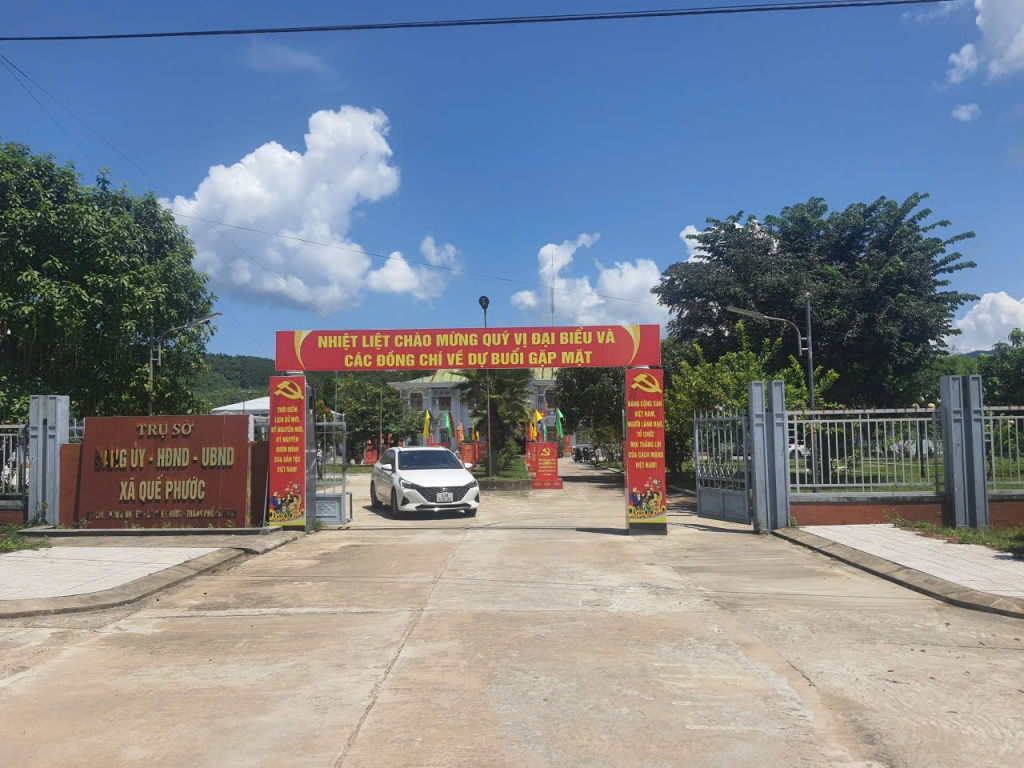
Que Phuoc also has potential for agricultural and community-based tourism, thanks to its Thu Bon River landscape, orchards and opportunities to connect with Hon Kem – Da Dung.
In the future, visitors could tour pomelo orchards, experience seasonal harvesting, enjoy local cuisine and learn about residents’ daily lives.
Developing tourism in this direction will require the participation of local authorities, farmers, cooperatives, travel businesses and accommodation providers.
Above all, local residents must be at the heart of tourism development and share in its benefits.
The ultimate goal is not simply to sell more pomelos.
It is to create additional livelihoods, increase product value, preserve agricultural landscapes and give younger generations greater reasons to stay connected to their hometown.
A SMALL POMELO, A BIGGER VISION
For Furama Resort Danang, building connections around Buoi Tru Binh Yen is part of its strategy to develop a culinary and heritage resort.
This strategy sees cuisine as more than delicious food: it is also a means of preserving culture, introducing local destinations and connecting communities.
For the Da Nang Hotel Association, the initiative could also become a practical model of cooperation between the hospitality industry and the city’s agricultural production areas.
From the specialties of Tay Giang and A Luoi and Nam O fish sauce to Binh Yen pomelo, each product has its own story, yet all share a common goal:
To bring local value into the premium tourism service chain, ensuring that tourism development creates greater value for local people and the communities that sustain it.
The more than 700 guests attending the DITF 2026 Gala Dinner on October 18 may be only the first participants in a much broader promotional journey.
Yet, with every refreshing, sweet segment of pomelo served at an international banquet, a new opportunity is opening up for Binh Yen’s pomelo growers.
It is an opportunity for a local specialty not merely to gain recognition, but also to be chosen, appreciated and given a sustainable place in the tourism market.
Because the value of a resort is measured not only by what it offers its guests, but also by what it contributes to the community and the land that have nurtured it.
FURAMA RESORT DANANG
A Culinary Heritage Resort
FROM LOCAL FARMS TO GLOBAL TABLES
From local orchards to international tables.